Technical buying guides
How to Specify a Heavy-Lift Cargo Drone RFQ: Payload, Range and Safety
Cargo-drone payload should be defined as usable payload at the required route and environment, not as a single maximum number. Range, reserve, wind, altitude, takeoff site, delivery method, control link, training and service scope must be evaluated together.
What to compare
Specify a cargo drone RFQ by usable payload, route, range, wind, delivery method, ground control, safety, training and spares.
Usable payload mass, dimensions, center of gravity and securing method
One-way/return route, reserve requirement, altitude, terrain and wind
Takeoff and landing area, VTOL or multirotor operating constraints
Landing, winch, drop or tether delivery method and payload interface
Ground control, data link, mapping, tracking and operator workflow
Failsafe, redundancy, training, spares, documents and support
Decision table
Include this in the RFQ
Add the relevant models and send the quantity, destination, application and required date in one request.
Build an RFQ- Payload description and usable mass
- Route coordinates/distance and return requirement
- Wind, altitude, temperature and takeoff/landing area
- Delivery method and payload interface
- Destination, end user, quantity, training, spares and target date
Questions buyers ask
Is advertised maximum payload enough to select a cargo drone?
No. Usable payload must be checked against route, reserve, altitude, wind, energy, delivery equipment and safe operating limits.
When is VTOL more suitable than a multirotor?
VTOL may suit longer routes, while multirotors suit hover and vertical delivery. The final choice depends on payload, route, landing space, wind, regulation and support.
Relevant product categories
Products to review
OEM Supply
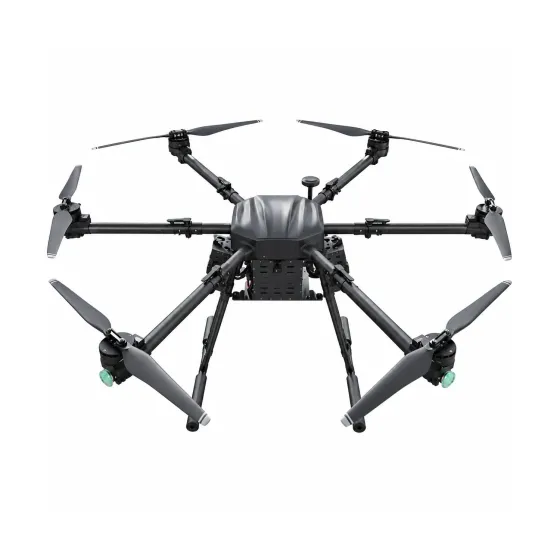
EM70 Heavy-Lift Logistics Drone
- Unfolded dimensions
- 1,950 x 1,950 x 900 mm
- Folded dimensions
- 1,100 x 1,200 x 900 mm
- Maximum take-off weight
- 70 kg
MOQ: 2 units per project configuration
OEM Supply
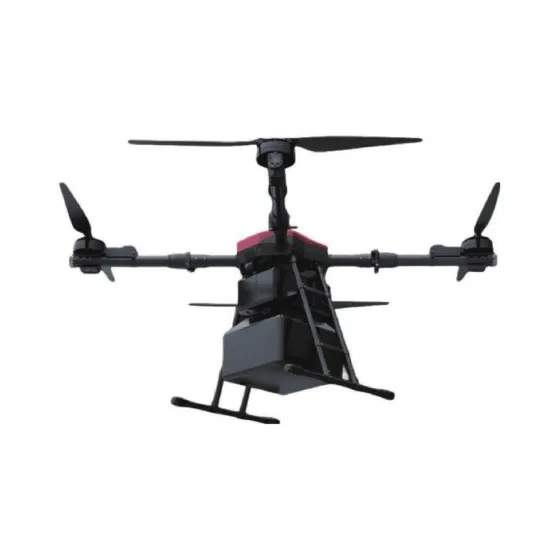
EM25 Heavy-Lift Utility Drone
- Unfolded dimensions
- 960 x 960 x 600 mm
- Folded dimensions
- 600 x 600 x 600 mm
- Maximum take-off weight
- 25 kg
MOQ: 2 units per project configuration
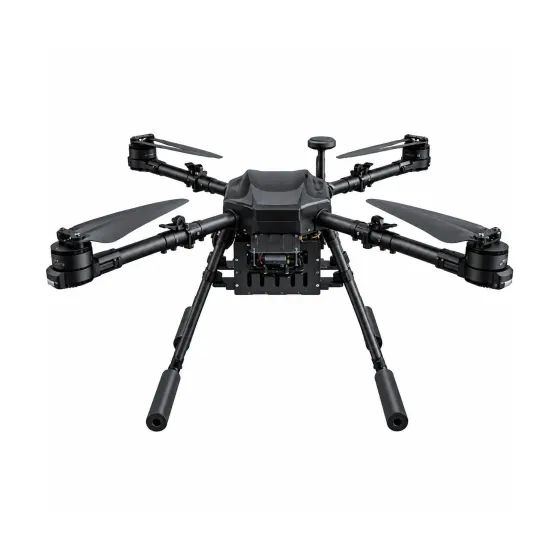
OEM Supply
EM15 Modular Utility Drone
- Unfolded dimensions
- 820 x 820 x 500 mm
- Folded dimensions
- 520 x 520 x 500 mm
- Maximum take-off weight
- 15 kg
MOQ: 2 units per project configuration
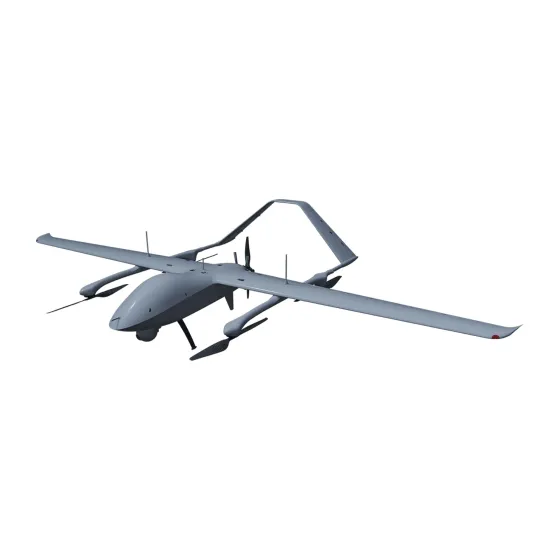
OEM Supply
VT150 Heavy-Lift VTOL Cargo Drone
- Drone dimensions
- 6,000 x 3,264 x 1,170 mm
- Maximum take-off weight
- 150 kg
- Maximum payload
- 50 kg
MOQ: 2 units per project configuration
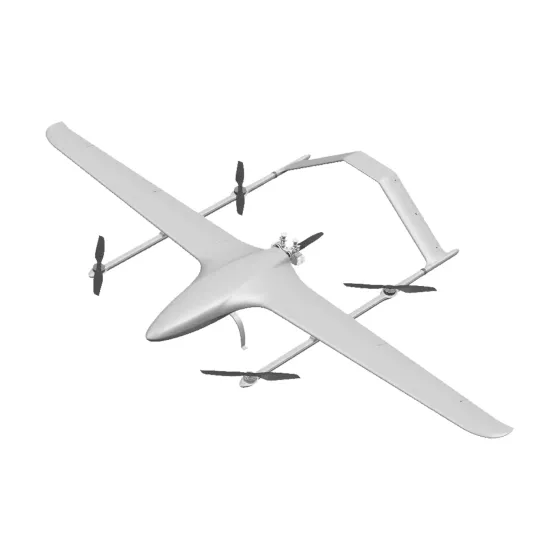
OEM Supply
VT120 Hybrid VTOL Cargo Drone
- Drone dimensions
- 6,000 x 3,300 x 700 mm
- Maximum take-off weight
- 120 kg
- Maximum payload
- 30 kg
MOQ: 2 units per project configuration
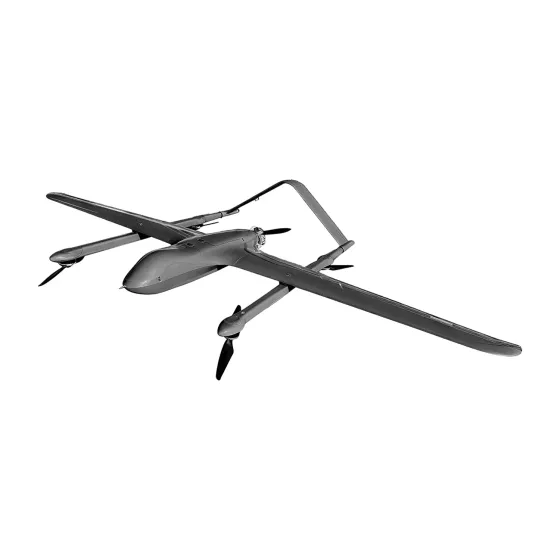
OEM Supply
VT60 Hybrid VTOL Survey Drone
- Drone dimensions
- 4,500 x 2,580 x 850 mm
- Maximum take-off weight
- 60 kg
- Maximum payload
- 15 kg
MOQ: 2 units per project configuration
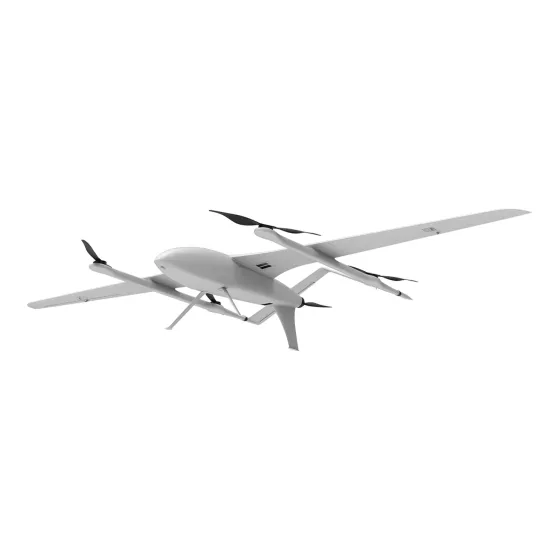
OEM Supply
VT30 Electric VTOL Survey Drone
- Drone dimensions
- 4,000 x 1,985 x 680 mm
- Maximum take-off weight
- 30 kg
- Maximum payload
- 10 kg
MOQ: 2 units per project configuration
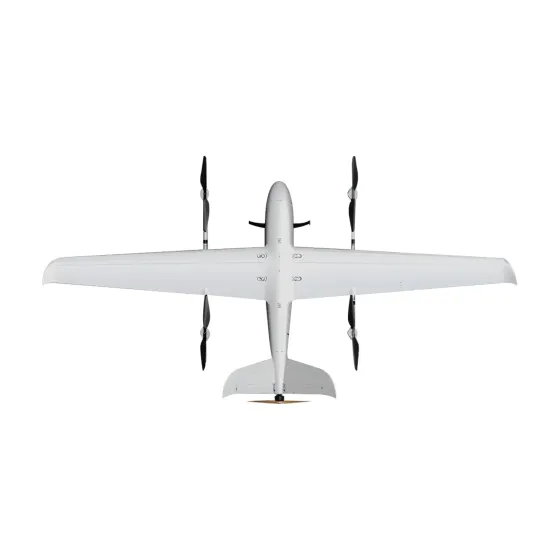
OEM Supply
VT15 Electric VTOL Mapping Drone
- Drone dimensions
- 3,378 x 1,500 x 500 mm
- Power system
- Electric-powered
- Maximum take-off weight
- 15 kg
MOQ: 2 units per project configuration